Ankle sprains
Rolling your ankle stretches or tears the ligaments. Early movement and balance work help it recover and lower the chance of it happening again.
A sprained ankle, a sore Achilles or heel pain can stop you walking, running and playing sport. We help you recover and build your strength back up.

Your ankle and foot take your whole body weight with every step. Ligaments, tendons and the many small joints of the foot can all be strained, especially when you change your activity or come back from an injury.
Rolling your ankle, a sudden increase in walking or running, new footwear, or long hours on your feet are common triggers. Old sprains that never fully recovered can leave the ankle weak and wobbly.
We look at your ankle and foot alongside your knee, hip and the way you move, so the plan fits your body and your goals, from walking the dog to getting back to sport.
Rehabilitation exercises are the main treatment for most ankle and foot problems, especially tendon and heel pain. Hands-on treatment can help ease pain and stiffness so you can do them. Where it helps, we use simple measures and our force plates to check balance and strength on each side.
A quick guide to the problems we see most often.
Rolling your ankle stretches or tears the ligaments. Early movement and balance work help it recover and lower the chance of it happening again.
Pain and stiffness at the back of the heel, often worst first thing in the morning. A gradual strengthening programme is the key treatment.
Pain under the heel (often called plantar fasciitis), usually worst with the first steps of the day. Stretching, strengthening and load changes help.
If your ankle keeps giving way after an old sprain, balance and strength training can make it more stable.
A detailed consultation and examination of your foot, ankle and the way you walk, stand and balance.
Hands-on treatment where it helps, with advice on what to do now and what to avoid for a while.
A step-by-step exercise plan, with progress checked using simple tests and, where useful, our force plates. See Measured, not guessed.
Your first appointment includes a full assessment and your first treatment. Book now to start your recovery.
Your first appointment lasts 60 minutes. We ask how the problem started and what makes it better or worse, then check how your foot and ankle move, how strong they are and how well you balance. We explain what we find, agree a plan and usually start treatment the same day.
Not usually. If you can’t take four steps on it, or the bone itself is very tender, you may need an X-ray to rule out a fracture. Go to a minor injuries unit first in that case.
Often you can keep active with some changes. We’ll help you find a level of activity your ankle or foot can cope with while it recovers, rather than stopping completely.
It depends on the cause of your pain and how long you’ve had it. We’ll give you an honest idea at your first appointment and review your progress at each visit. We won’t ask you to sign up to a long course of treatment.
We’re at 90 Fore Street in Chudleigh, just off the A38 and a short drive from Newton Abbot, Bovey Tracey, Kingsteignton and Exeter, with convenient parking close by. You don’t need a GP referral, but if you’re claiming on health insurance, check with your insurer first.
Get medical help first if you have:
Go to a minor injuries unit or A&E for a possible fracture or torn Achilles. Call 111 about a painful swollen calf, and see your GP or podiatrist about a diabetic foot problem.
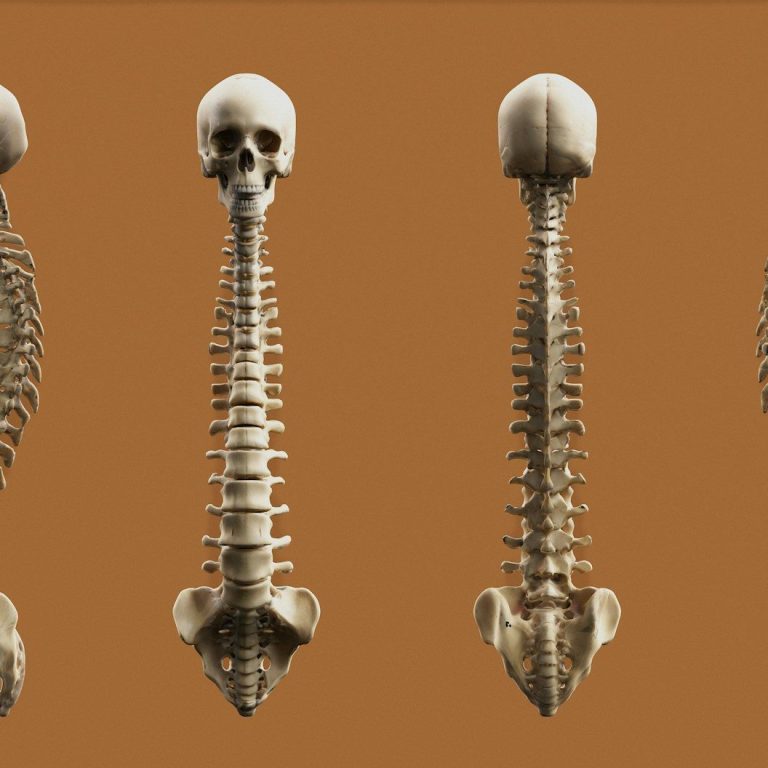
Acute and chronic backache, lumbago and sciatica.
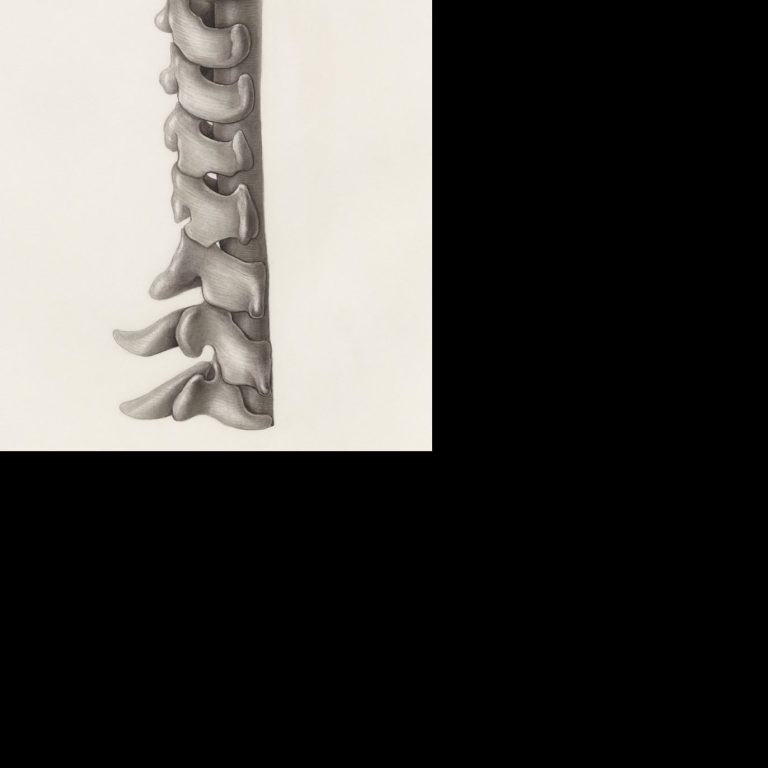
Neck pain, headaches arising from the neck, migraine prevention and nerve pain.

Rotator cuff problems, frozen shoulder and more.
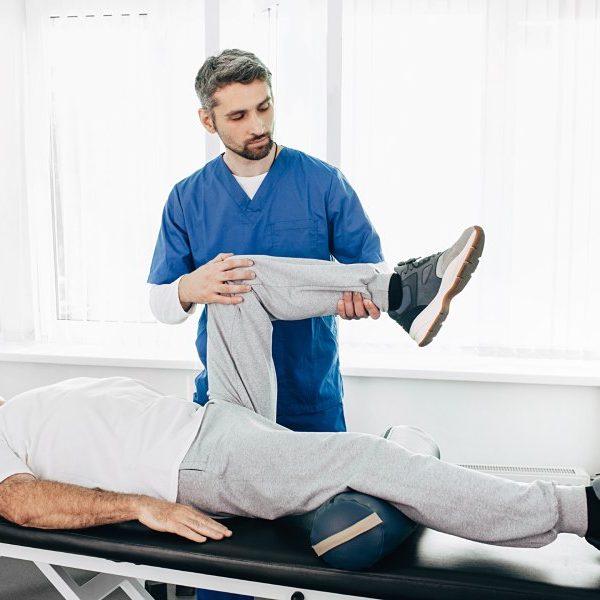
Leg pain from the lower back, numbness and tingling.

Pain between the shoulder blades and around the ribs.
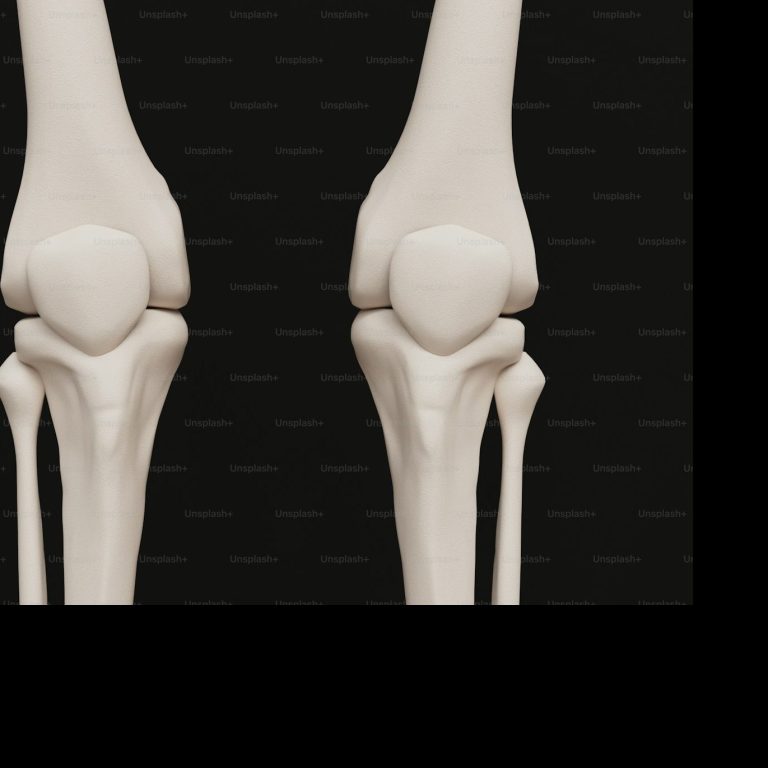
Arthritic pain and stiff, aching joints.
Book online, or call us for a chat first.