Disc-related sciatica
A bulging disc can irritate a nerve root, causing sharp or burning pain down the leg, often worse with sitting, bending or coughing.
Sciatica is pain that travels from your lower back or buttock down your leg. We find out what’s irritating the nerve and help you ease the pain and keep moving.

Sciatica isn’t a diagnosis in itself. It describes pain, tingling or numbness along the sciatic nerve, which runs from your lower back, through your buttock and down the back of your leg.
The most common cause is a disc in the lower back irritating a nerve root. Stiff joints, tight buttock muscles and narrowing of the spaces around the nerves (spinal stenosis), which is more common as we get older, can cause similar pain.
We check how your back, hips and nerves are working, including your reflexes, feeling and strength, so we understand what’s going on before we start treatment.
Osteopaths can help relieve sciatica. We use gentle hands-on treatment to ease muscle tension and help your lower back and hips move better, with advice on positions and simple exercises that take pressure off the nerve. Many people find sciatica eases within 4 to 6 weeks, though it can take longer.
Leg pain from the back can come from a few different places.
A bulging disc can irritate a nerve root, causing sharp or burning pain down the leg, often worse with sitting, bending or coughing.
Tight or irritated muscles deep in the buttock can cause pain that feels like sciatica. Careful testing helps tell the two apart.
Narrowing around the nerves can cause aching or heavy legs when you walk or stand, which eases when you sit or bend forward.
Back and leg pain are common as your body changes. See our pregnancy care page.
A detailed consultation and examination, including nerve checks, to find the source of your pain and rule out anything that needs a doctor.
Gentle soft tissue work and joint mobilisation to ease tension and help your back and hips move more comfortably.
Simple exercises and advice on sitting, sleeping and work so you can stay as active as possible while the nerve settles.
Your first appointment includes a full assessment and your first treatment. Book now to start your recovery.
Your first appointment lasts 60 minutes. We ask how the pain started and what makes it better or worse, then check how your back and hips move and test your reflexes, feeling and strength. We explain what we find, agree a plan and usually start treatment the same day.
Usually not. Staying as active as you comfortably can tends to help sciatica settle faster than bed rest. We’ll show you positions and movements that ease the pain and tell you what to avoid for now.
Most people with sciatica don’t need a scan, because it rarely changes the treatment. If your symptoms suggest a scan or a specialist opinion would help, we’ll write to your GP.
It depends on the cause of your pain and how long you’ve had it. We’ll give you an honest idea at your first appointment and review your progress at each visit. We won’t ask you to sign up to a long course of treatment.
We’re at 90 Fore Street in Chudleigh, just off the A38 and a short drive from Newton Abbot, Bovey Tracey, Kingsteignton and Exeter, with convenient parking close by. You don’t need a GP referral, but if you’re claiming on health insurance, check with your insurer first.
Get medical help first if you have:
The first three can be signs of cauda equina syndrome, which needs A&E straight away. For the last, see your GP urgently.
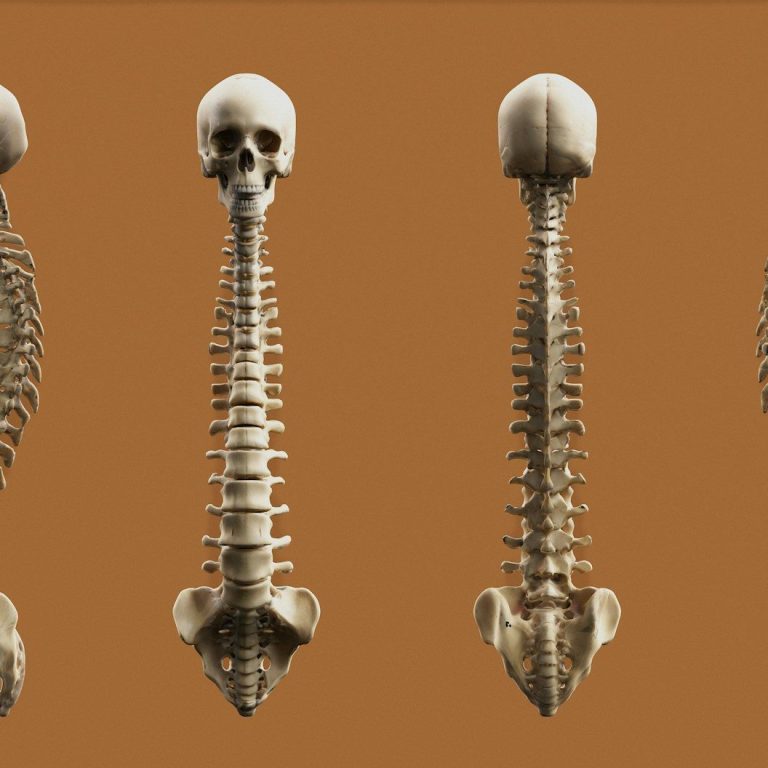
Acute and chronic backache, lumbago and sciatica.
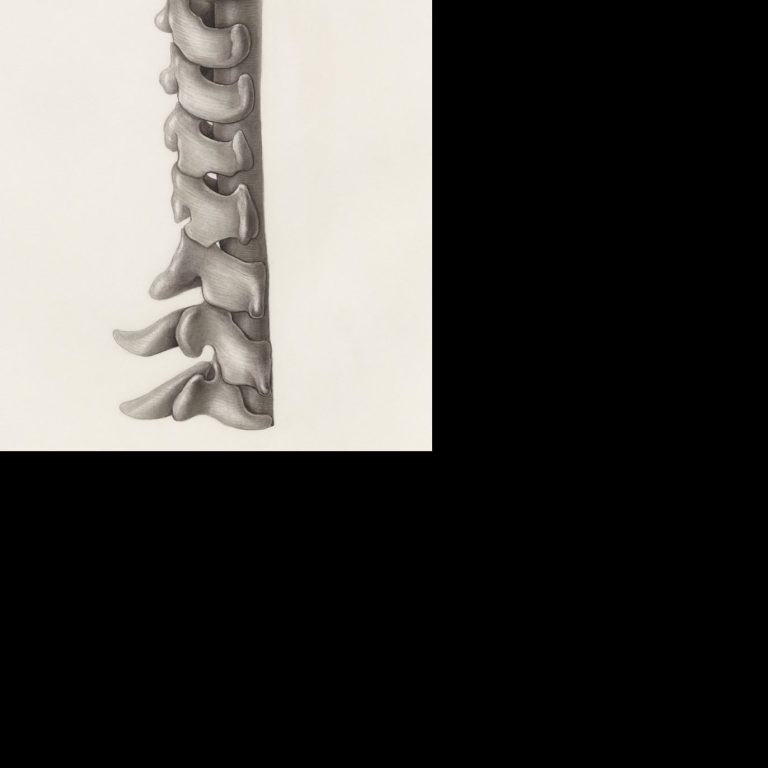
Neck pain, headaches arising from the neck, migraine prevention and nerve pain.

Rotator cuff problems, frozen shoulder and more.

Pain between the shoulder blades and around the ribs.

Sprains, Achilles pain and heel pain.
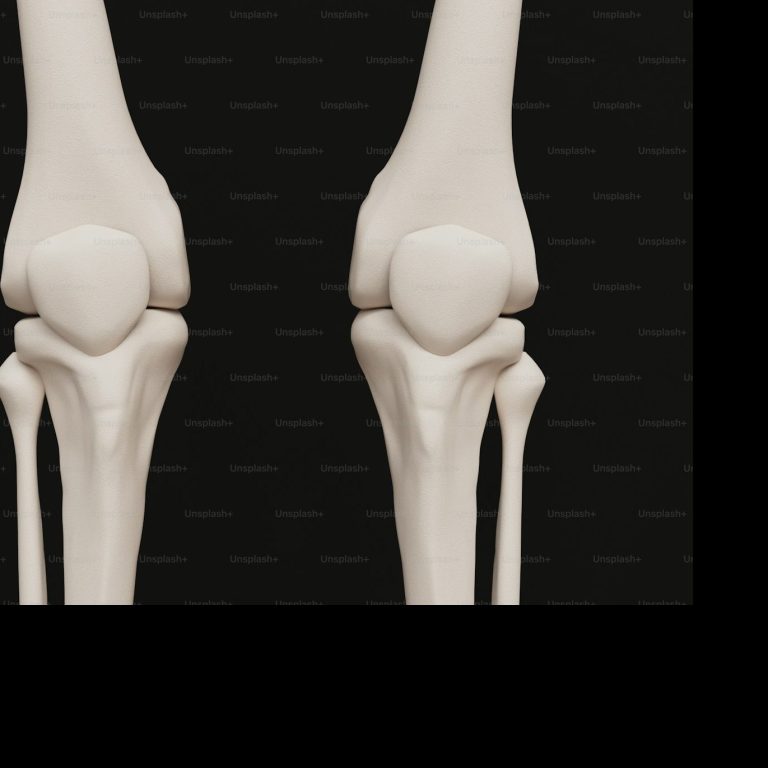
Arthritic pain and stiff, aching joints.
Book online, or call us for a chat first.