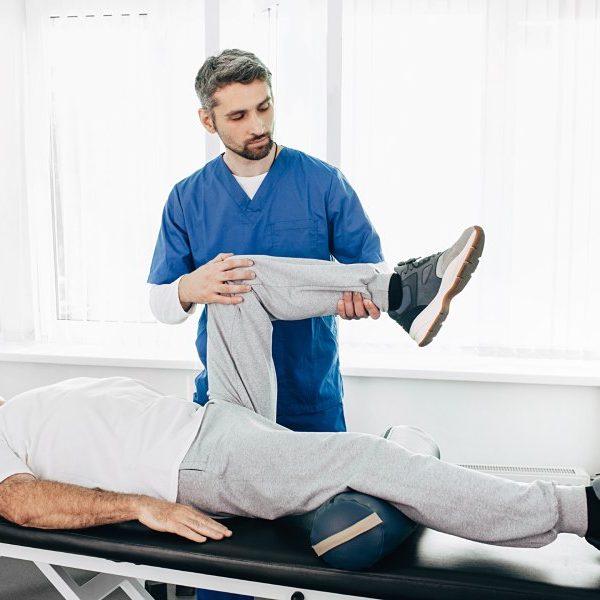
Hip osteoarthritis
Wear and tear of the cartilage leads to pain, stiffness and less movement. It’s common over 40, and treatment focuses on improving how the joint works, alongside exercise and your GP’s care.
Hip pain can affect your quality of life. Understanding the type of pain you have is the first step to the right treatment.
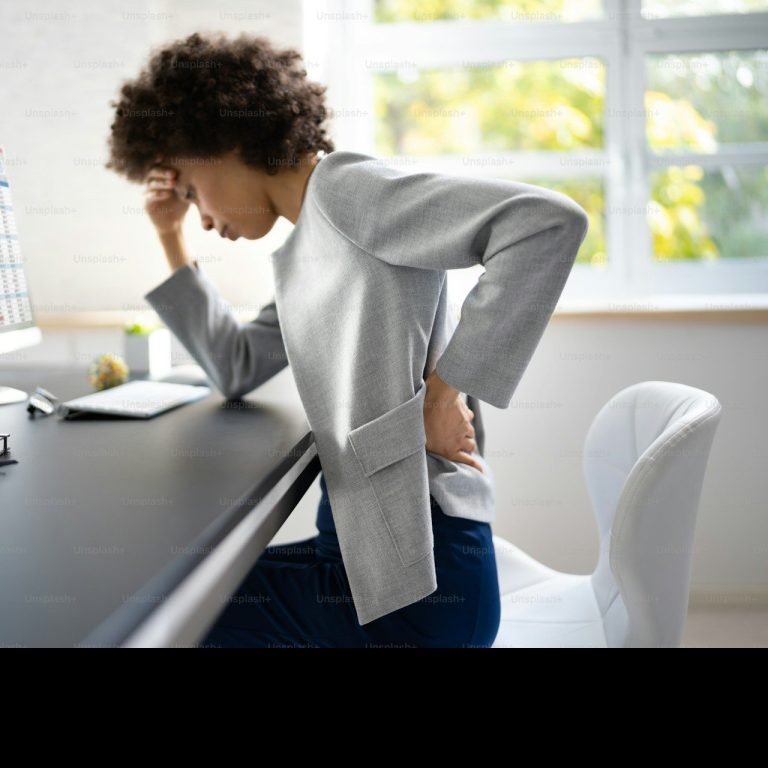
Whether it’s from injury, age-related wear, or an acute or long-term condition, recognising the type of hip pain you have helps find the most effective treatment.
Osteoarthritis breaks down the cartilage in the joint, causing pain and stiffness. Other causes include bursitis, tendon problems and fractures.
Hip pain can be aching, stiff or sharp. Your lifestyle, age and previous injuries all play a part, and a thorough assessment helps pinpoint the cause.
We address both the pain and what’s causing it, using gentle manipulation, stretching and strengthening exercises to restore movement and ease discomfort.
If your hip pain is persistent or getting worse, it’s important to get it checked. Early treatment can often prevent more serious problems.
The hip problems we see most often, and how they affect movement and daily life.
Wear and tear of the cartilage leads to pain, stiffness and less movement. It’s common over 40, and treatment focuses on improving how the joint works, alongside exercise and your GP’s care.
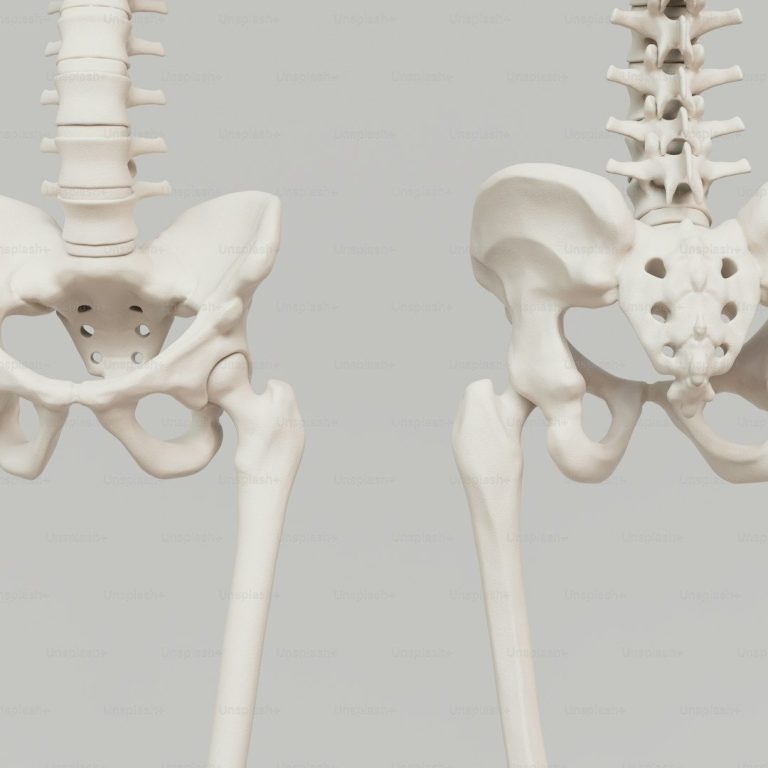
Inflammation of a bursa, a small fluid-filled cushion near the hip, often from repetitive movement or pressure. It typically causes pain on the outside of the hip.
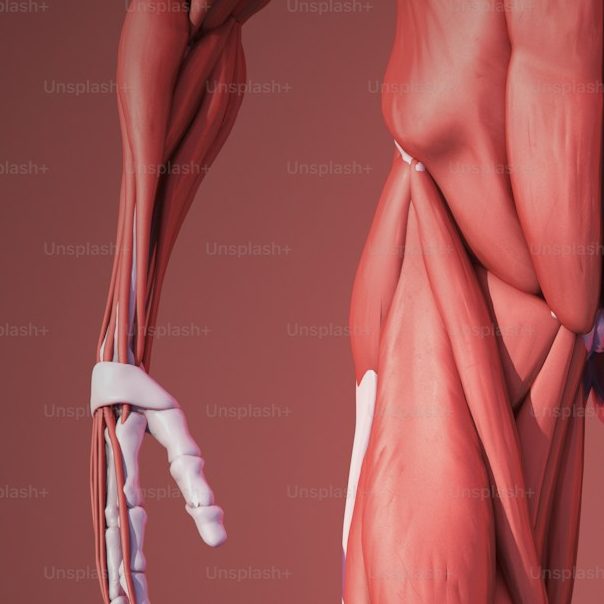
A strain from overdoing it or injury can make walking, running and climbing stairs painful. Rehabilitation helps you recover and prevent it happening again.
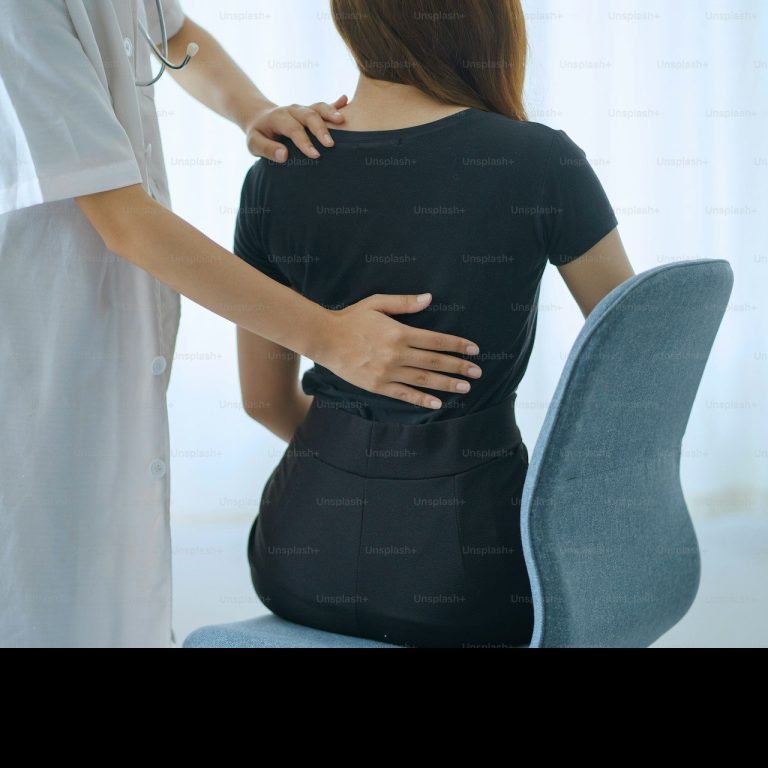
Sciatica can cause pain in the hip and buttock that travels down the leg. We assess where it’s coming from and treat the source.
Our approach focuses on improving joint function and easing pain through gentle manipulation and a tailored exercise programme.
Usually caused by repetitive movement or prolonged pressure. Targeted soft tissue work and changes to activity help settle the area.
Problems with the hip flexor and gluteal tendons often come from overuse or injury, causing local pain and weakness. We combine hands-on treatment with exercises to build tendon strength and flexibility.
We don’t just treat the symptoms. We look at your overall health and wellbeing so you can lead an active, fulfilling life.
Osteopathy isn’t the right first step if you have:
Go to A&E or call NHS 111 straight away.
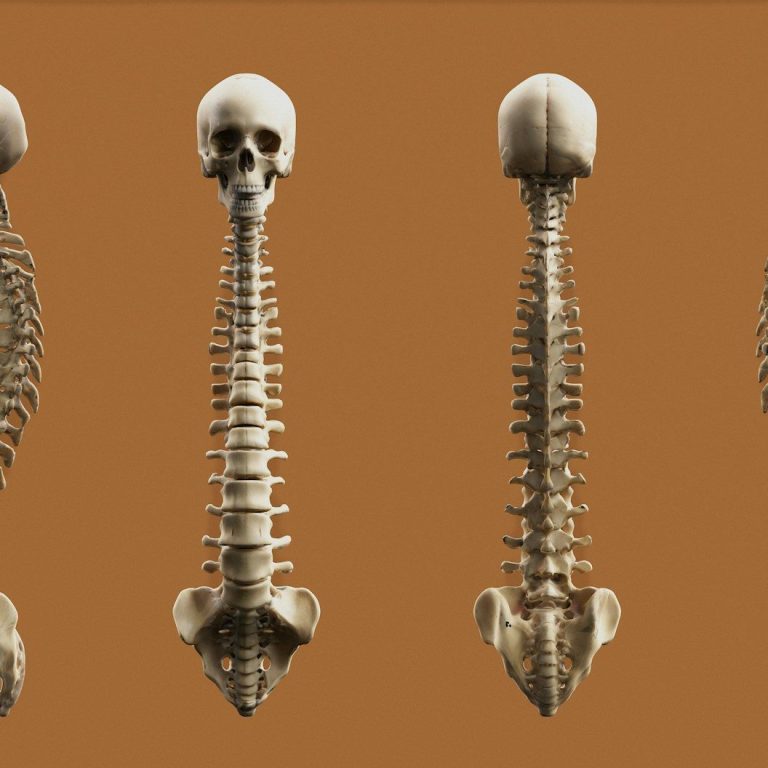
Acute and chronic backache, lumbago and sciatica.
Neck pain, headaches, migraines and nerve pain.
Rotator cuff problems, frozen shoulder and more.
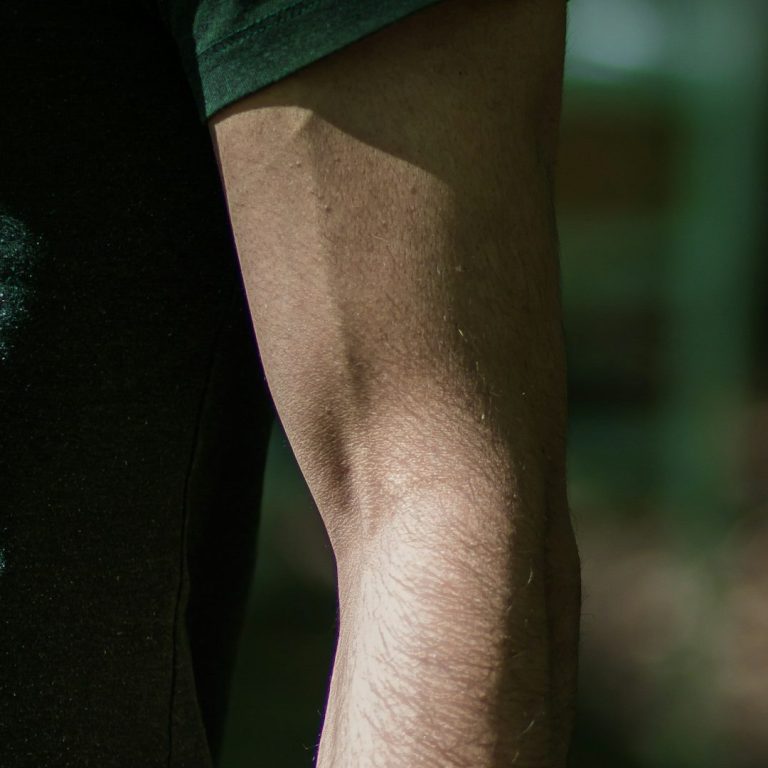
Tennis elbow, golfer’s elbow and repetitive strain.
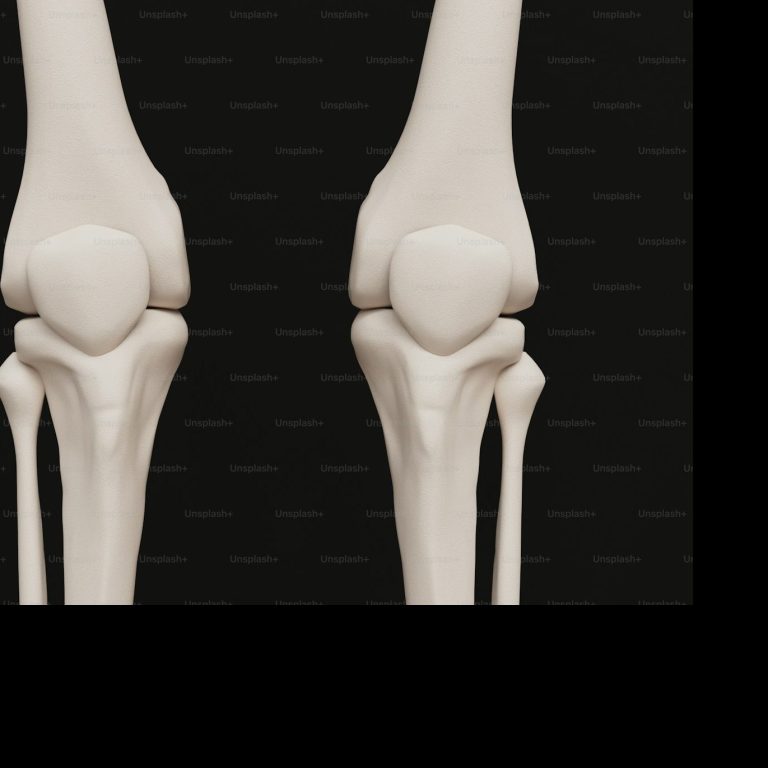
Sports injuries, arthritic knees and tendon pain.
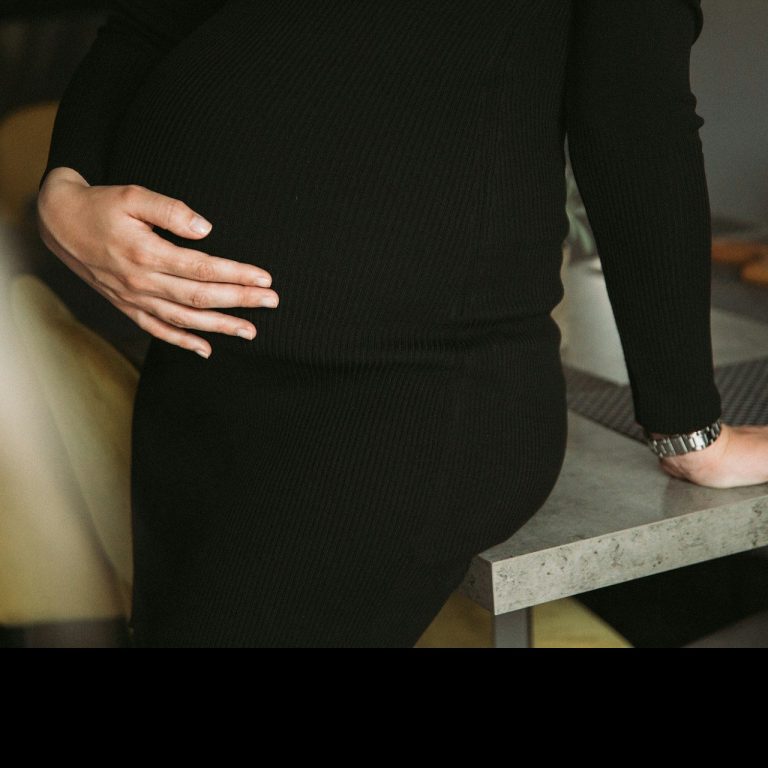
Care through pregnancy, after birth and for your baby.
Book online, or call us for a chat first.