Muscle-related jaw pain
An ache in the cheeks or temples that is worse with chewing, talking for a long time or clenching. This is the most common type of jaw pain.
Jaw pain can make eating, talking and even yawning uncomfortable, and it often comes with headaches or a stiff neck. We find out what’s driving it and help you ease it.


The temporomandibular joint (TMJ) is the hinge just in front of each ear that lets you open and close your mouth. Problems with this joint and the chewing muscles around it are very common. You might notice pain around your jaw, ear or temple, clicking or popping, a jaw that feels tight or stuck, or headaches around your temples. Most cases are not serious and often settle within a few months.
Clenching or grinding your teeth, often at night or when you’re under stress, is one of the most common triggers. Others include a knock to the jaw, long dental appointments, wear and tear in the joint, and habits such as chewing gum or biting your nails. Often there is more than one cause.
We look at how your jaw opens, closes and moves from side to side, feel the chewing muscles and the joint, and check your neck and upper back, because jaw and neck problems often go together.
Your jaw doesn’t work alone. The muscles that move it are closely linked with those of your neck and shoulders, and people with jaw pain often have neck pain too. Long spells with your head pushed forward, at a desk or over a phone, can add to the load on these muscles. Some research has also found small differences in balance in people with jaw problems, but the findings are mixed and it isn’t clear that one causes the other. So we look at the whole picture: how you sit, stand and move, as well as the jaw itself. Where it’s useful, we can measure your balance on our force plates and test again later to see what has changed.
Advice, jaw exercises and hands-on treatment for the muscles of the jaw and neck are commonly used for jaw pain. The research on hands-on treatment and exercise for jaw problems is encouraging but still limited, so we’ll be honest about what to expect and review your progress at each visit. We don’t treat teeth or bites. If we think your dentist or GP should be involved, we’ll tell you.
A quick guide to the problems we see most often.
An ache in the cheeks or temples that is worse with chewing, talking for a long time or clenching. This is the most common type of jaw pain.
Clicks when you open or close your mouth are very common. If there’s no pain and your jaw moves freely, they usually don’t need treatment.
Often happens during sleep or at stressful times, and can leave the jaw tired and sore in the morning. Your dentist can advise on whether a mouth guard would help.
Jaw, neck and head pain often appear together. See our page on neck pain and headaches.
We ask about your symptoms, sleep, stress, dental history and daily habits, then examine your jaw, the muscles around it, your neck and your posture.
Gentle hands-on treatment for the muscles of the jaw and neck, with simple jaw exercises and advice on habits that give your jaw a rest.
We check your progress at each visit. If you’re not improving as we’d expect, we’ll suggest seeing your dentist or GP.
Your first appointment includes a full assessment and your first treatment. Book now to start your recovery.
TMJ stands for temporomandibular joint, the joint just in front of your ear where your lower jaw meets your skull. Pain or problems in this joint and the muscles around it are often called TMJ problems or TMD (temporomandibular disorder).
Your first appointment lasts 60 minutes. We talk through your symptoms and health, examine your jaw and neck, explain what we find, agree a plan with you and start treatment there and then. Read your first appointment, step by step.
Most treatment is to the muscles of the face, jaw and neck from the outside. If we think a technique inside the mouth, using a gloved hand, would help, we’ll explain it first and only go ahead if you’re happy.
It can play a part. The jaw, neck and shoulder muscles work together, so a stiff neck or long hours in one position can add to jaw tension. Posture is rarely the only cause, and changing it isn’t a guaranteed fix, but simple changes to how you sit and move, with neck and jaw exercises, are often a useful part of the plan.
See your dentist if you have toothache, a change in your bite, or you think you grind your teeth. Dentists can check your teeth and bite and can provide mouth guards. We’re happy to work alongside your dentist.
Eat softer food for a while, cut food into small pieces, and avoid chewing gum, biting your nails and very wide yawns. Try to keep your teeth slightly apart when you’re not eating. A warm or cold pack on the jaw can ease soreness, and a pharmacist can advise on pain relief.
It depends on the cause of your pain and how long you’ve had it. We’ll give you an honest idea at your first appointment and review your progress at each visit. We won’t ask you to sign up to a long course of treatment.
We’re at 90 Fore Street in Chudleigh, just off the A38 and a short drive from Newton Abbot, Bovey Tracey, Kingsteignton and Exeter, with convenient parking close by. You don’t need a GP referral, but if you’re claiming on health insurance, check with your insurer first.
Get medical help first if you have:
Call 999 for jaw pain with chest pain or breathlessness. Go to A&E if your jaw is locked or may be dislocated. Call NHS 111 or your GP the same day for a new headache with a tender scalp or changes in your sight, and see a dentist or call 111 urgently for swelling with a high temperature.
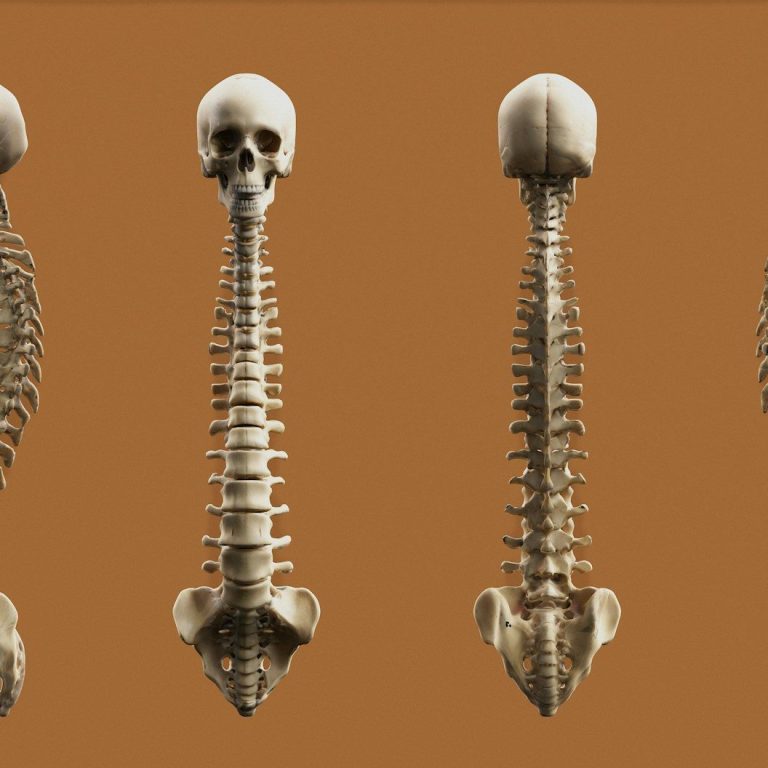
Acute and chronic backache, lumbago and sciatica.
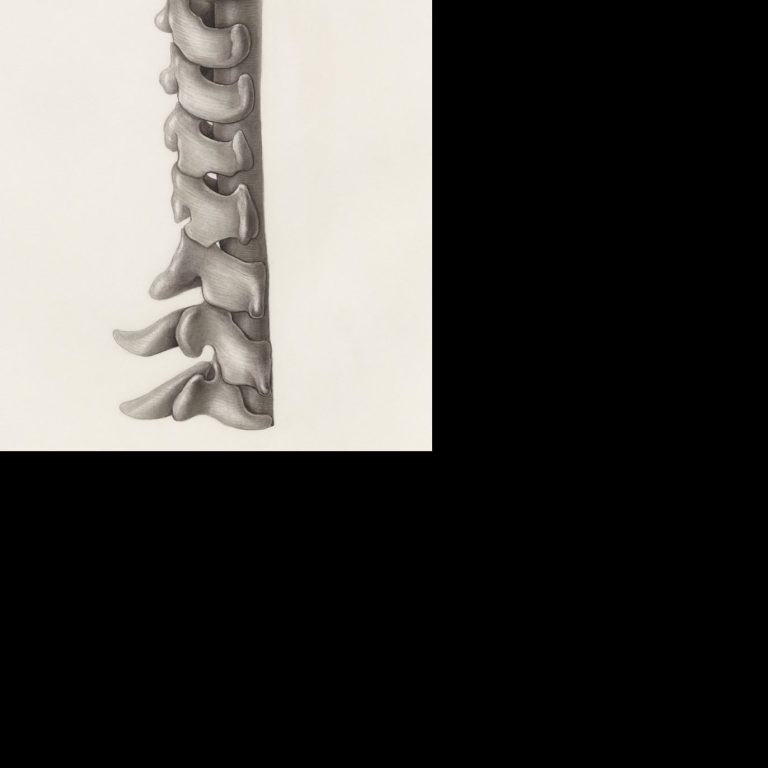
Neck pain, headaches arising from the neck, migraine prevention and nerve pain.
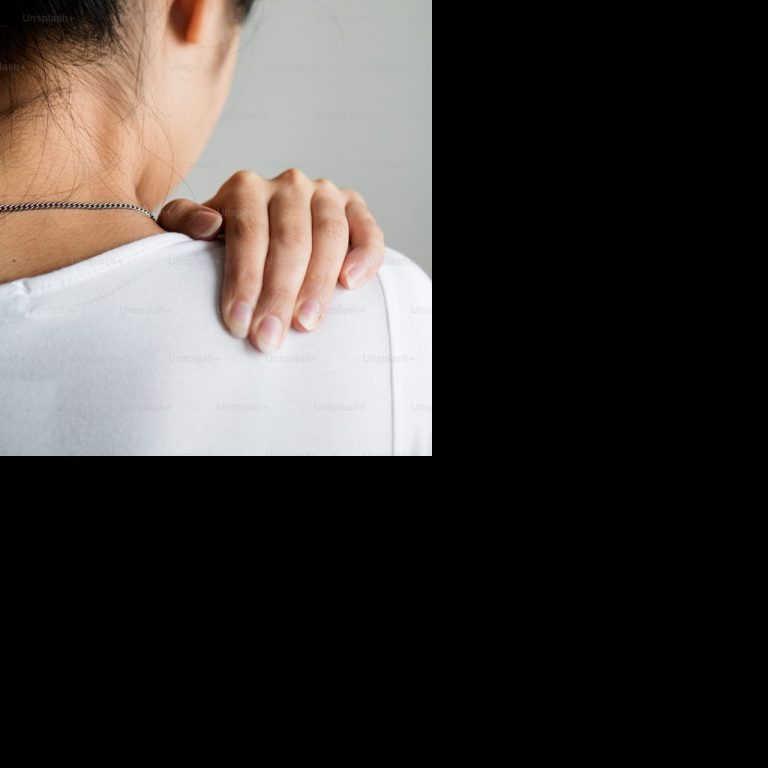
Rotator cuff problems, frozen shoulder and more.

Pain between the shoulder blades and around the ribs.
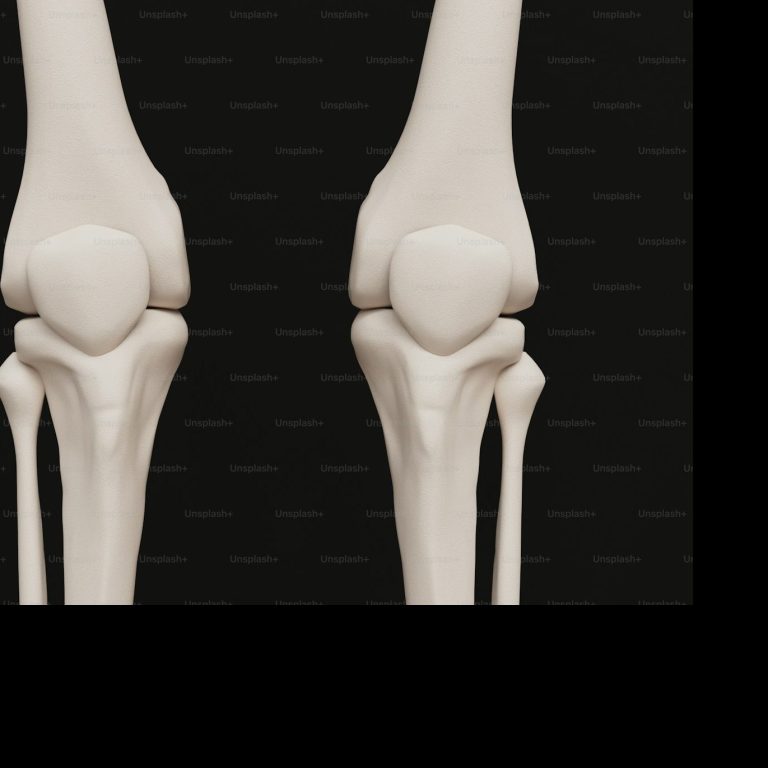
Arthritic pain and stiff, aching joints.

Muscle strains, sprains and minor sports injuries.
Book online, or call us for a chat first.