Hamstring and calf strains
A sudden pain at the back of the thigh or calf, often when sprinting. A step-by-step strength programme lowers the chance of it happening again.
A pulled muscle, a sprain or a niggle that won’t settle can stop you training and playing. We find out what’s wrong and help you get back to your sport.
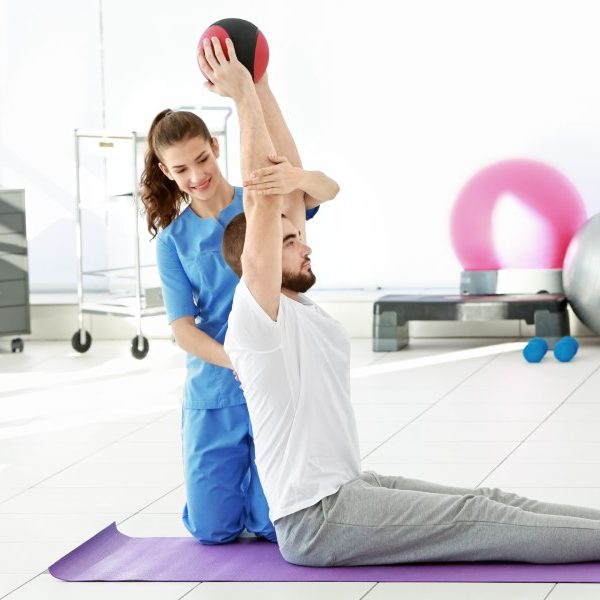
Most sports injuries are strains of a muscle or tendon, or sprains of a ligament. Some happen in one moment, like a tackle or a sudden sprint. Others build up slowly when training increases faster than your body can adapt.
A sudden change of direction, a heavy landing, a jump in training or matches, a return after time off, or an old injury that never fully recovered are the most common triggers.
We look at the injured area and at the way you move, your strength and your training, so your plan fits your sport and the date you want to be back.
Osteopaths and physiotherapists can help with minor sports injuries. Rehabilitation exercises are the main treatment for most of them, with hands-on treatment to ease pain and stiffness along the way. Our physiotherapist Dan has worked in professional football and rugby.
A quick guide to the problems we see most often.
A sudden pain at the back of the thigh or calf, often when sprinting. A step-by-step strength programme lowers the chance of it happening again.
Common in football, rugby and other sports with kicking and quick turns. Strength work for the hips and groin is the key.
Rolled ankles and twisted knees stretch the ligaments. See our ankle and foot and knee pain pages.
Pain in tendons such as the Achilles or around the kneecap, which builds up with training. Gradual loading exercises are the main treatment.
We go through how the injury happened and your training, then examine the injured area and the way you move.
Hands-on treatment where it helps, plus a clear plan for what training you can keep doing now.
Strength work and a step-by-step return, checked with simple tests and, where useful, our force plates. See return to sport.
Your first appointment includes a full assessment and your first treatment. Book now to start your recovery.
Your first appointment lasts 60 minutes. We ask how the injury happened and about your sport and training, then check how you move, how strong you are and where it hurts. We explain what we find, agree a plan and usually start treatment the same day.
Both can help with sports injuries. Have a look at our guide osteopath or physio for a sports injury, or call us and we’ll suggest who to see.
For the first few days after an injury, many people find a cold pack eases pain. After that, gentle movement matters more than ice or heat. We’ll show you what you can safely do at each stage.
We use simple strength, balance and movement tests to compare your injured side with the other side, so the decision is based on measures rather than guesswork. See Measured, not guessed.
We’re at 90 Fore Street in Chudleigh, just off the A38 and a short drive from Newton Abbot, Bovey Tracey, Kingsteignton and Exeter, with convenient parking close by. You don’t need a GP referral, but if you’re claiming on health insurance, check with your insurer first.
Get medical help first if you have:
Go to a minor injuries unit or A&E for a possible fracture or dislocation, and to A&E for a head injury with these signs. We don’t assess or clear concussion.
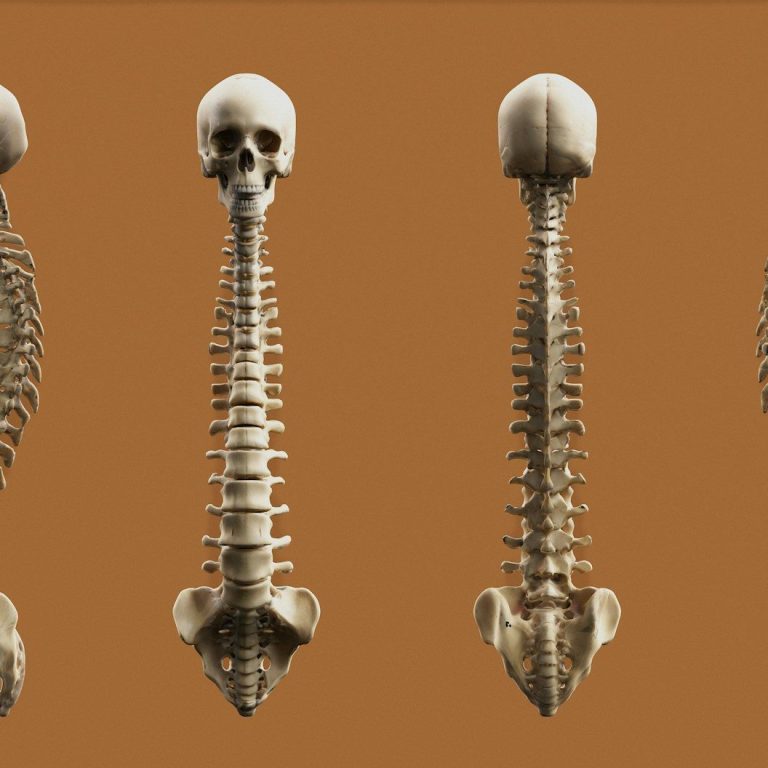
Acute and chronic backache, lumbago and sciatica.
Neck pain, headaches arising from the neck, migraine prevention and nerve pain.
Rotator cuff problems, frozen shoulder and more.
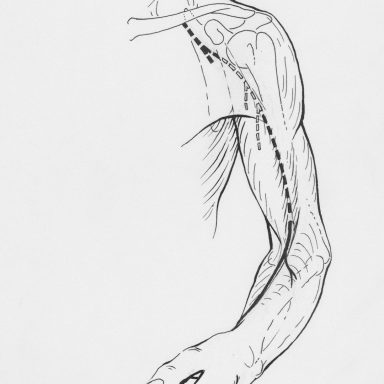
Wrist sprains, thumb pain and stiff hands.
Physiotherapy after knee, hip, shoulder and ankle surgery.
Feeling steadier and stronger as you get older.
Book online, or call us for a chat first.