Runner’s knee
Aching around or behind the kneecap, often worse on hills, stairs or after sitting. Strengthening the hips and thighs usually helps.
Whether you run on the roads around Chudleigh or out on Dartmoor, an injury can stop you in your tracks. We help you understand it and get back to running.

Most running injuries happen when your body is asked to do more than it’s ready for, such as adding miles too quickly, more hills, a race build-up or new shoes. They usually build up gradually rather than happening in one moment.
Knee pain at the front of the knee, shin pain, Achilles and calf problems, pain on the outside of the knee or hip, and hamstring strains are the injuries we see most.
We look at your training, your strength and the way you move, and at what you want to achieve, from your first 5k to an ultra.
We combine hands-on treatment for pain and stiffness with a strength plan and changes to your training so you can keep running where possible. Our force plates can measure your power and left-to-right differences to guide your return.
A quick guide to what we see most often.
Aching around or behind the kneecap, often worse on hills, stairs or after sitting. Strengthening the hips and thighs usually helps.
Pain along the inside of the shin, common when you increase your running. Pain in one small spot on the bone needs checking for a stress fracture.
Stiffness at the back of the heel or calf tightness and strains. A gradual loading programme is the key to recovery.
Pain on the outside of the knee or hip, often linked to training load and hip strength.
We go through your running history and training, and examine the injured area and the way you move.
Hands-on treatment where it helps, plus a plan for how much running you can keep doing now.
Strength work and a step-by-step return, checked with simple tests. For more serious sport, see return to sport.
Your first appointment includes a full assessment and your first treatment. Book now to start your recovery.
Your first appointment lasts 60 minutes. We ask about the injury and your training, then check how you move, how strong you are and where it hurts. We explain what we find, agree a plan and usually start treatment the same day.
Not always. Many running injuries improve with a change in how far, how fast or how often you run, rather than stopping completely. We’ll help you find the right level.
Both can help with running injuries. Have a look at our guide osteopath or physio for a sports injury, or call us and we’ll suggest who to see.
It depends on the cause of your pain and how long you’ve had it. We’ll give you an honest idea at your first appointment and review your progress at each visit. We won’t ask you to sign up to a long course of treatment.
We’re at 90 Fore Street in Chudleigh, just off the A38 and a short drive from Newton Abbot, Bovey Tracey, Kingsteignton and Exeter, with convenient parking close by. You don’t need a GP referral, but if you’re claiming on health insurance, check with your insurer first.
Get medical help first if you have:
Chest pain or fainting needs a 999 call. Stop running and get medical advice for possible stress fractures, a swollen calf (call 111) or a suspected torn Achilles (A&E).
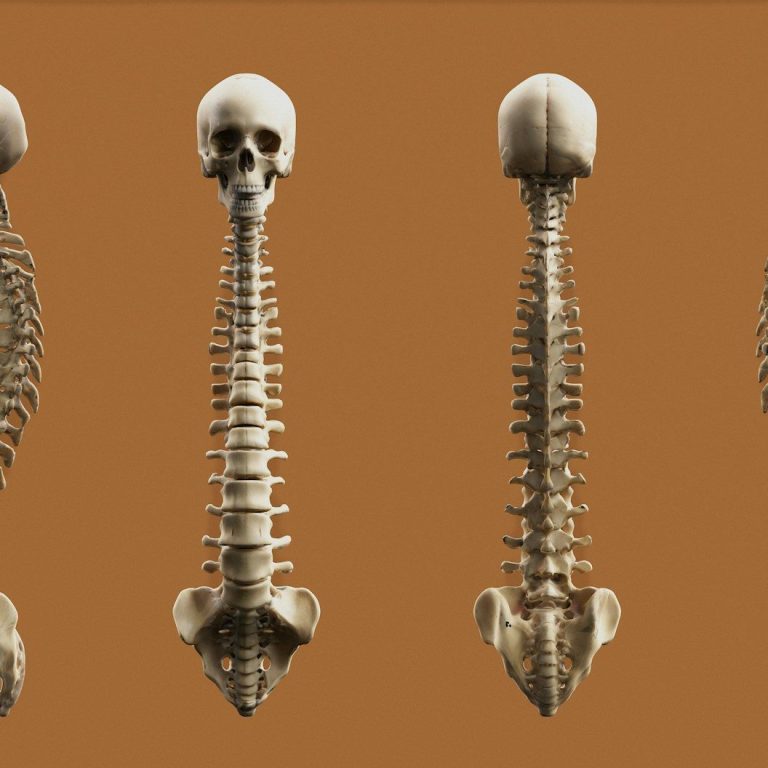
Acute and chronic backache, lumbago and sciatica.
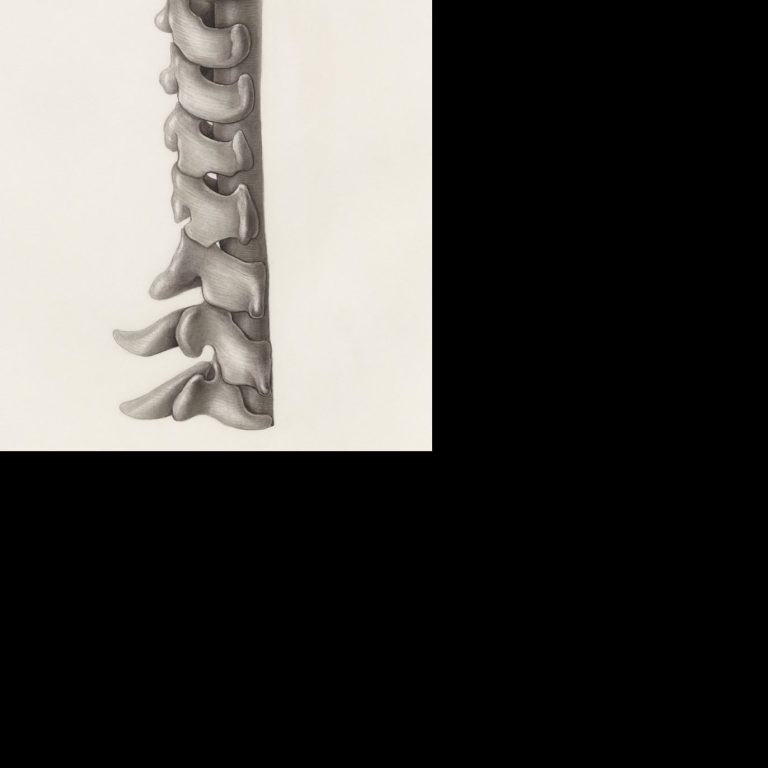
Neck pain, headaches arising from the neck, migraine prevention and nerve pain.
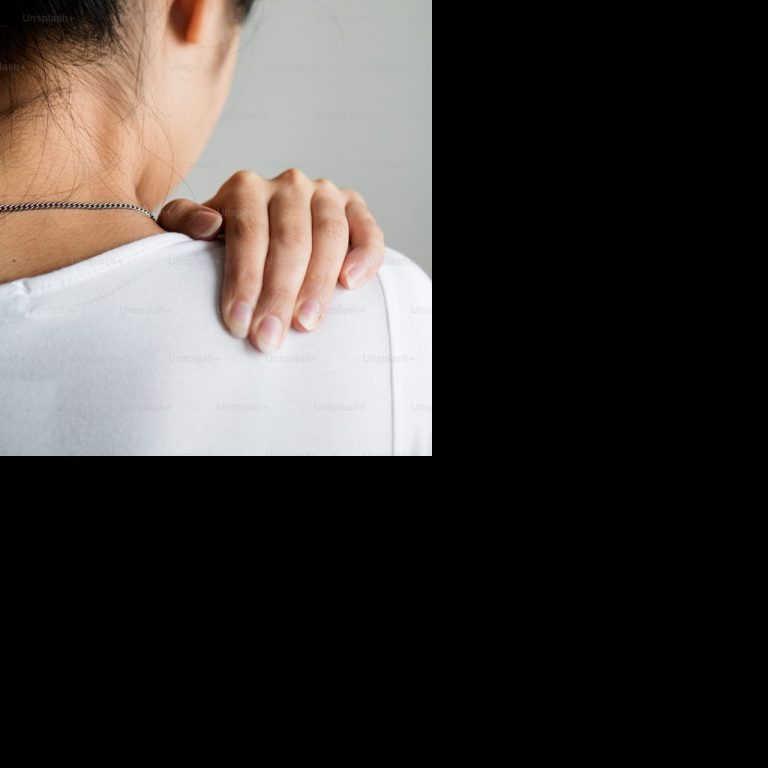
Rotator cuff problems, frozen shoulder and more.
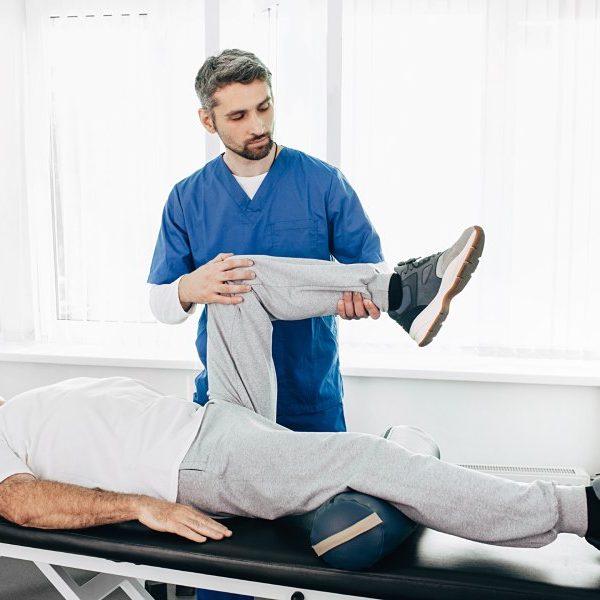
Leg pain from the lower back, numbness and tingling.
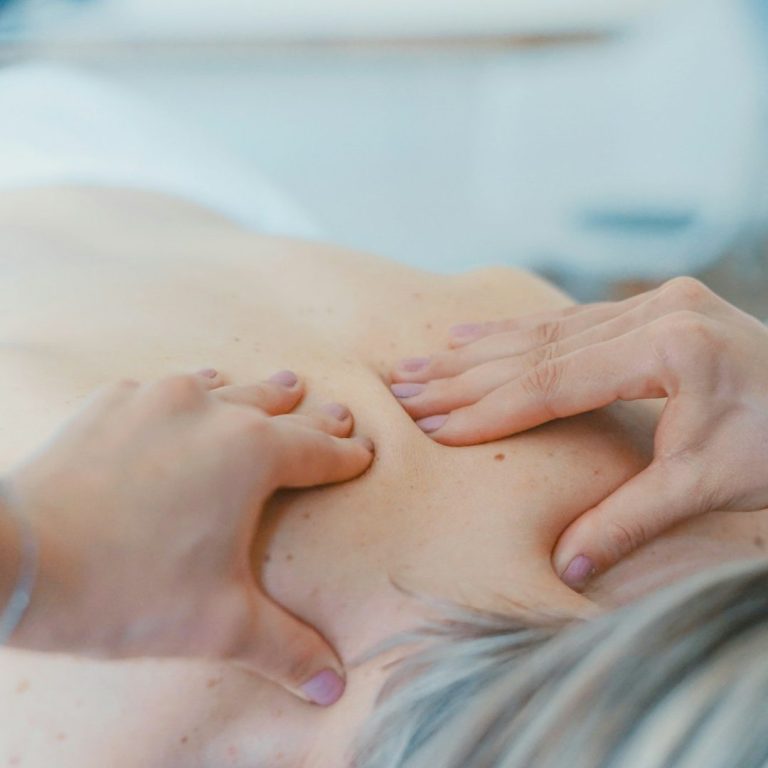
Pain between the shoulder blades and around the ribs.

Sprains, Achilles pain and heel pain.
Book online, or call us for a chat first.