After a fall
Building strength, balance and confidence after a fall, and looking at what may have contributed to it.
Strong legs and good balance help you stay independent, keep doing what you enjoy and feel steadier on your feet. It’s never too late to start, and we can help.
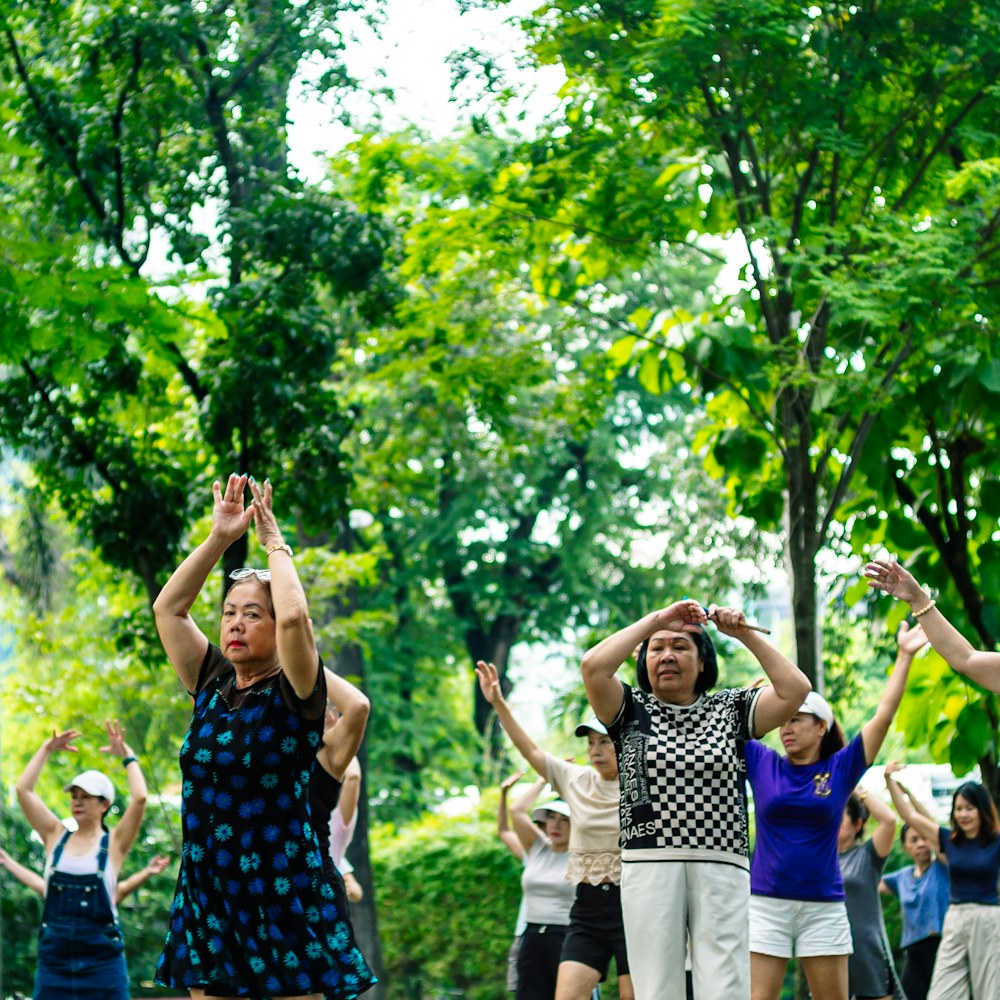
We lose muscle strength and balance gradually as we get older, especially if we become less active. The good news is that strength and balance improve with the right exercise at any age. UK guidelines recommend activities that build strength and balance on at least two days a week.
Anyone who feels less steady than they used to, finds stairs or getting up from a chair harder, has had a fall or a near miss, or simply wants to stay strong for the years ahead.
We look at your strength, balance, walking and any aches and pains, and talk about what you want to be able to do, from carrying shopping to playing with your grandchildren.
We use simple tests such as how many times you can stand up from a chair, and our force plates to measure your balance, so you can see your progress in numbers.
A quick guide to the things people most often come to us about.
Building strength, balance and confidence after a fall, and looking at what may have contributed to it.
Making it easier to get up from a chair, climb stairs, get in and out of the car and walk further.
Strength and balance exercise is recommended for bone health and is safe when it’s pitched at the right level for you.
If you want to know where you stand now, our Longevity Baseline measures strength, balance, fitness and more.
We ask about your health, any falls and what you want to achieve, then test your strength, balance and walking.
A simple, progressive set of exercises you can do at home, starting from where you are today.
We retest at your review appointments so you can see how much stronger and steadier you’ve become.
Your first appointment includes a full assessment and your first treatment. Book now to start your recovery.
No. Studies show people in their 80s and 90s can build strength and improve their balance with the right exercise. We start gently and build up at a pace that suits you.
Yes, for most people. Exercise is one of the most helpful things you can do for both, as long as it’s pitched at the right level. We’ll check what’s right for you. See our arthritis page too.
Yes, you’re very welcome to bring someone with you. It can help to have someone who knows your exercises.
Most people need a few sessions to learn their exercises and check their progress, then a review every few weeks while they build up. We won’t ask you to sign up to a long course of treatment.
We’re at 90 Fore Street in Chudleigh, just off the A38 and a short drive from Newton Abbot, Bovey Tracey, Kingsteignton and Exeter, with convenient parking close by. You don’t need a GP referral.
Get medical help first if you have:
Signs of a stroke need a 999 call. Go to A&E after a head injury on blood thinners or if you can’t stand after a fall, and see your GP about blackouts or new dizziness.
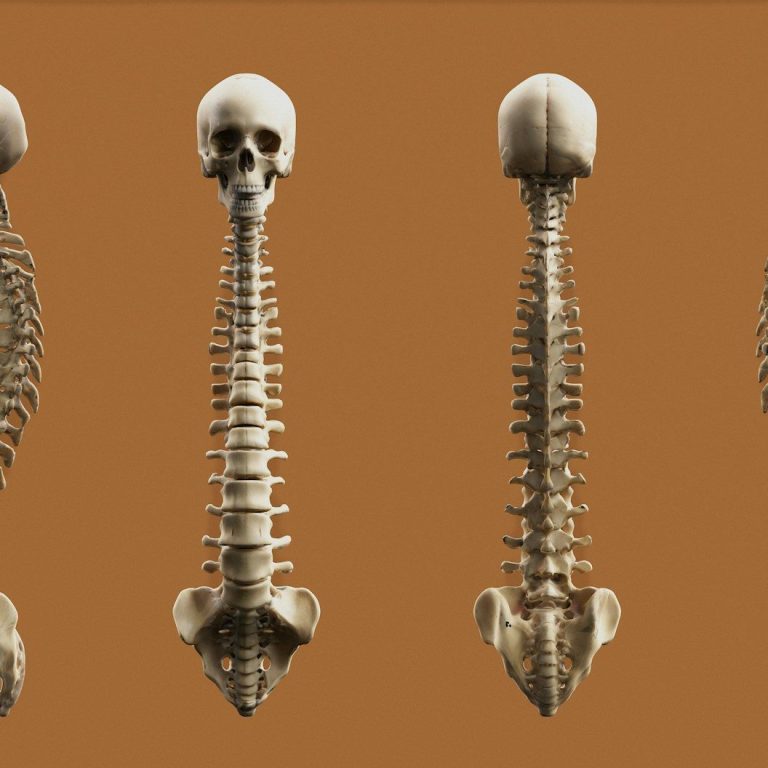
Acute and chronic backache, lumbago and sciatica.
Neck pain, headaches arising from the neck, migraine prevention and nerve pain.
Rotator cuff problems, frozen shoulder and more.
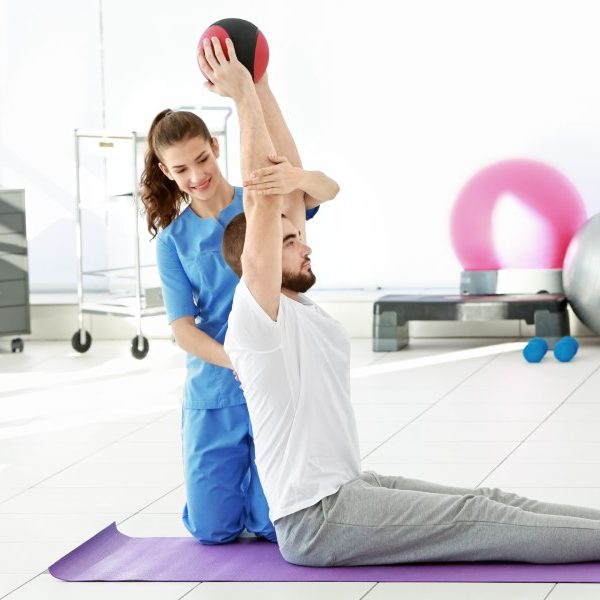
Muscle strains, sprains and minor sports injuries.
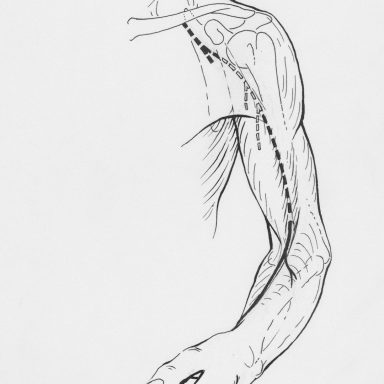
Wrist sprains, thumb pain and stiff hands.
Physiotherapy after knee, hip, shoulder and ankle surgery.
Book online, or call us for a chat first.