Wrist sprains
A fall onto your hand can strain the ligaments. Pain in the hollow at the base of the thumb after a fall needs an X-ray to rule out a fracture.
Your hands do almost everything, so wrist or thumb pain can make work, gardening, sport and even opening a jar difficult. We find the cause and help you get your grip back.
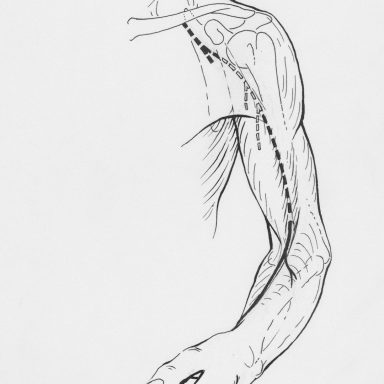
The wrist and hand are made up of many small bones, joints, tendons and nerves packed close together. Pain can come from the joints, the tendons that move your thumb and fingers, a nerve, or sometimes from your neck or elbow.
Repetitive tasks such as typing, using tools or lifting a baby, a fall onto an outstretched hand, racket and gym sports, and age-related changes in the thumb joint are the most common causes.
We check your wrist and hand alongside your elbow, shoulder and neck, test your grip strength and feeling, and look at the tasks that bring your pain on.
Strengthening and mobility exercises, advice on how you use your hands and, where it helps, hands-on treatment can ease pain and stiffness. If you need a splint, a scan or a specialist opinion, we’ll tell you and write to your GP.
A quick guide to the problems we see most often.
A fall onto your hand can strain the ligaments. Pain in the hollow at the base of the thumb after a fall needs an X-ray to rule out a fracture.
Pain on the thumb side of the wrist, often called De Quervain’s, common in new parents and with repetitive gripping.
Aching at the base of the thumb when pinching or opening jars. Exercises, joint protection advice and a splint can help.
Pins and needles in the thumb and fingers, often at night, can be carpal tunnel syndrome. We check your neck and arm too.
A detailed consultation and examination of your hand, wrist, elbow and neck, including grip strength and nerve checks.
Hands-on treatment where it helps, with advice on splints, tasks to change for now and how to keep using your hand.
A simple plan to restore movement and grip strength, reviewed as you improve.
Your first appointment includes a full assessment and your first treatment. Book now to start your recovery.
Your first appointment lasts 60 minutes. We ask how the pain started and what makes it better or worse, then check how your wrist, hand, elbow and neck move, your grip strength and the feeling in your fingers. We explain what we find, agree a plan and usually start treatment the same day.
Most wrist and hand pain doesn’t need one. After a fall onto your hand, an X-ray is needed if the bone is very tender, especially in the hollow at the base of your thumb, or if your wrist looks out of shape. Go to a minor injuries unit in that case.
We can assess it, check whether your neck is involved and advise on night splints, exercises and changes to your tasks, which help many people. If numbness is constant or your thumb muscles are getting weak, we’ll ask your GP to refer you on.
It depends on the cause of your pain and how long you’ve had it. We’ll give you an honest idea at your first appointment and review your progress at each visit. We won’t ask you to sign up to a long course of treatment.
We’re at 90 Fore Street in Chudleigh, just off the A38 and a short drive from Newton Abbot, Bovey Tracey, Kingsteignton and Exeter, with convenient parking close by. You don’t need a GP referral, but if you’re claiming on health insurance, check with your insurer first.
Get medical help first if you have:
Go to a minor injuries unit or A&E for a possible fracture, and call 111 the same day about a hot, swollen hand. Sudden weakness with face or speech changes needs a 999 call.
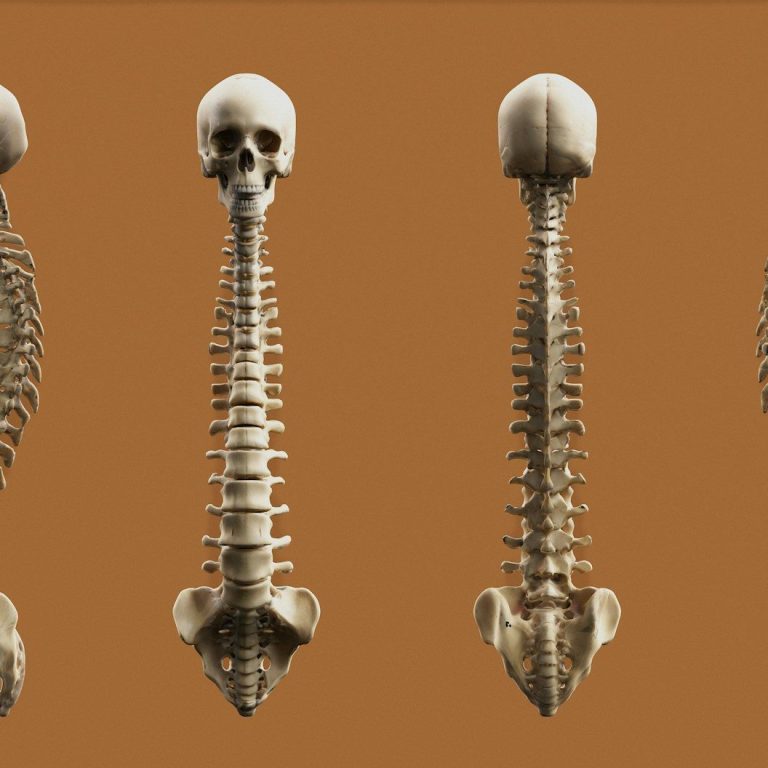
Acute and chronic backache, lumbago and sciatica.
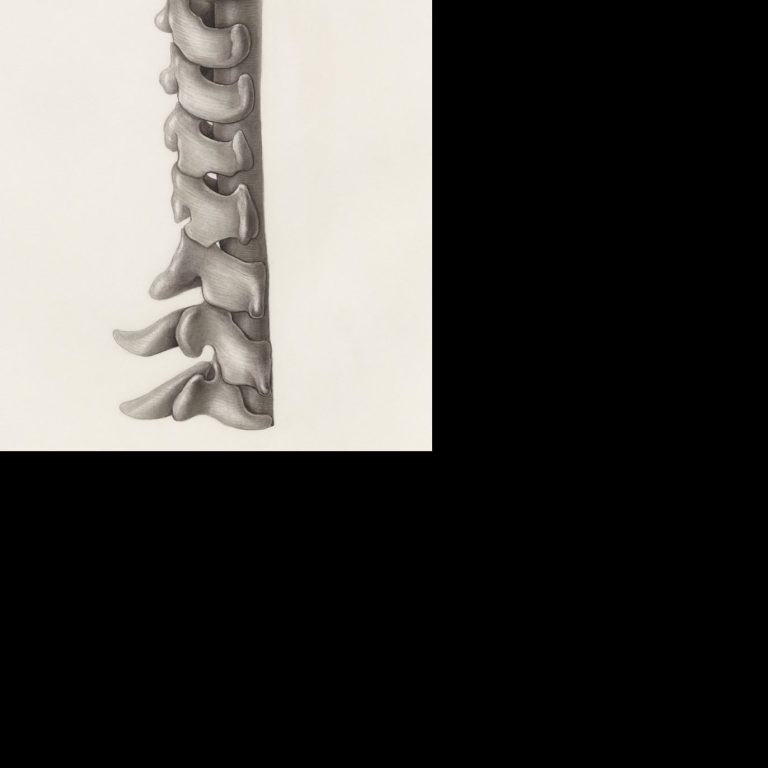
Neck pain, headaches arising from the neck, migraine prevention and nerve pain.
Rotator cuff problems, frozen shoulder and more.

Muscle strains, sprains and minor sports injuries.

Physiotherapy after knee, hip, shoulder and ankle surgery.

Feeling steadier and stronger as you get older.
Book online, or call us for a chat first.