Knee pain below the kneecap
Often called Osgood-Schlatter, it causes a sore, sometimes bony lump below the kneecap in active children aged about 10 to 15.
Children and teenagers who play a lot of sport can pick up aches and injuries, especially during growth spurts. We help them understand what’s going on and keep playing safely.
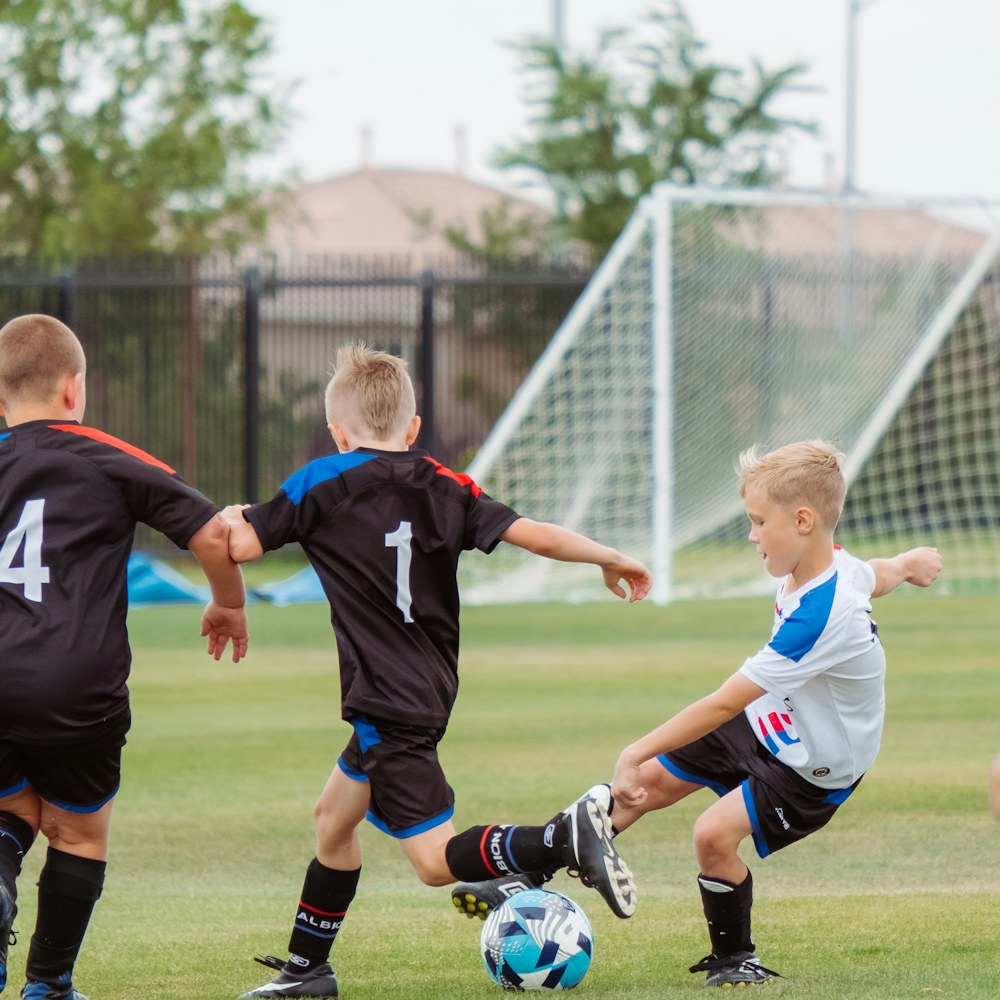
Growing bones have areas of softer growth tissue where tendons attach. During growth spurts, and when training and matches pile up, these areas can become sore. Most of these problems settle with the right advice and changes to activity.
Rapid growth, playing for several teams, a sudden increase in training, playing one sport all year round and not enough rest are the most common reasons young athletes get sore.
We look at the sore area, their growth, strength and the way they move, and at their whole week of sport and school PE, so the plan fits their life.
Most young people’s sports problems are managed with advice on how much sport to do, strength and flexibility exercises, and patience. Hands-on treatment can ease pain where it helps. Our physiotherapist Dan has worked in professional football and rugby.
A quick guide to the problems we see most often.
Often called Osgood-Schlatter, it causes a sore, sometimes bony lump below the kneecap in active children aged about 10 to 15.
Often called Sever’s, it causes heel pain in active children aged about 8 to 14, especially in football boots or when running on hard ground.
Back pain in young athletes, especially in sports with a lot of bending backwards such as gymnastics, dance and cricket bowling, should always be checked.
Ankle sprains and pulled muscles happen at any age. Young players benefit from a proper rehab before they go back. See sports injuries.
We talk with your child and you about their sport and the problem, then examine the sore area and check how they move.
A plain explanation of what’s going on and a plan for how much sport they can keep doing, so they stay involved where possible.
Simple strength and flexibility exercises and a step-by-step return to full training and matches.
Your first appointment includes a full assessment and your first treatment. Book now to start your recovery.
Not usually. Most growth-related problems improve with a reduction in training rather than stopping completely. We’ll agree a level of sport that keeps the pain manageable.
Yes. Children and young people under 16 need a parent or guardian with them at their appointments.
We don’t assess or clear concussion. If a young player may have a head injury, follow the rule “if in doubt, sit them out” and contact NHS 111 or your GP. Our return to sport page explains more.
Growing pains usually affect both legs, in the evening or at night, and are gone by the morning. Pain in one spot that is linked to sport, or a limp, is different and is worth getting checked.
We’re at 90 Fore Street in Chudleigh, just off the A38 and a short drive from Newton Abbot, Bovey Tracey, Kingsteignton and Exeter, with convenient parking close by. You don’t need a GP referral.
Get medical help first if you have:
A child with a limp and a temperature, or a head injury with these signs, needs same-day medical help: call 111 or go to A&E. For pain at night or getting worse, see your GP soon.
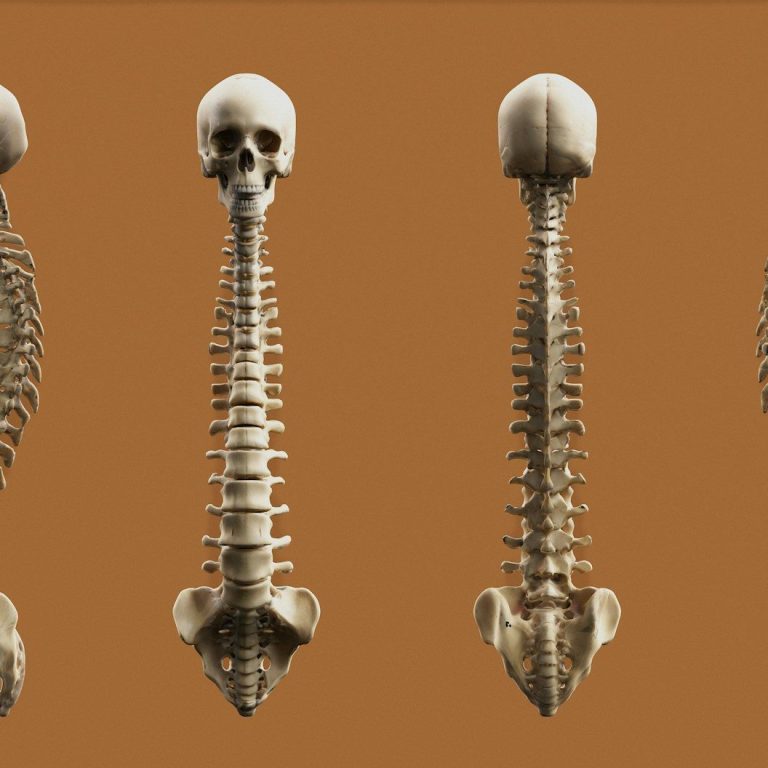
Acute and chronic backache, lumbago and sciatica.
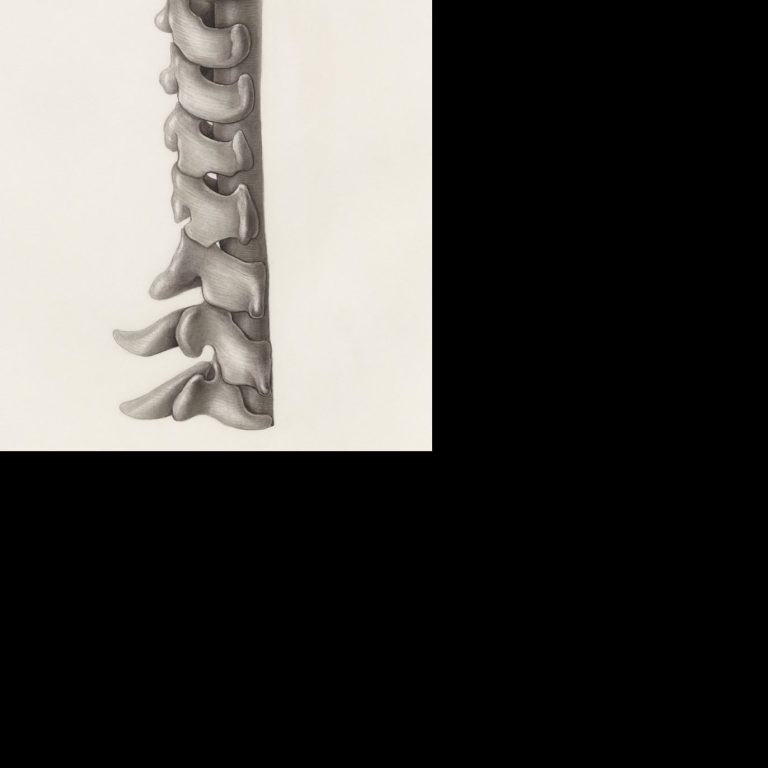
Neck pain, headaches arising from the neck, migraine prevention and nerve pain.
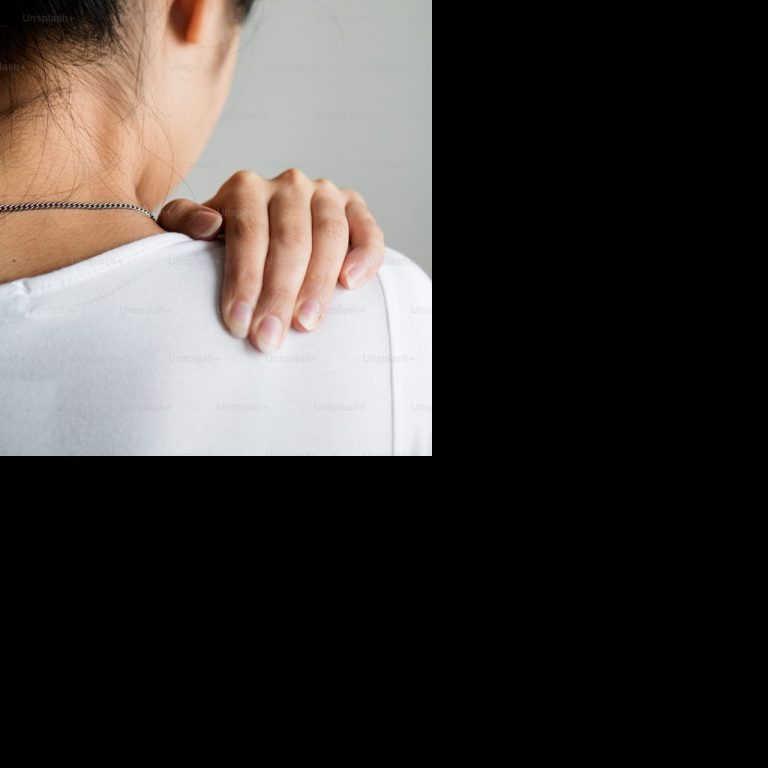
Rotator cuff problems, frozen shoulder and more.

Muscle strains, sprains and minor sports injuries.
Wrist sprains, thumb pain and stiff hands.

Physiotherapy after knee, hip, shoulder and ankle surgery.
Book online, or call us for a chat first.